SEEAR: Observational Mode Perception Systems Online Build 26.4.11
Autonomous Environmental Perception

SEEAR

Autonomous environmental perception systems for continuous spatial awareness. SEEAR does not observe intermittently. Observation is its default state. Cessation of observation has not been implemented.

Operational Status
Observational
Active Nodes
Undisclosed
Classification
Tier III — Sensitive
Initiated
2019
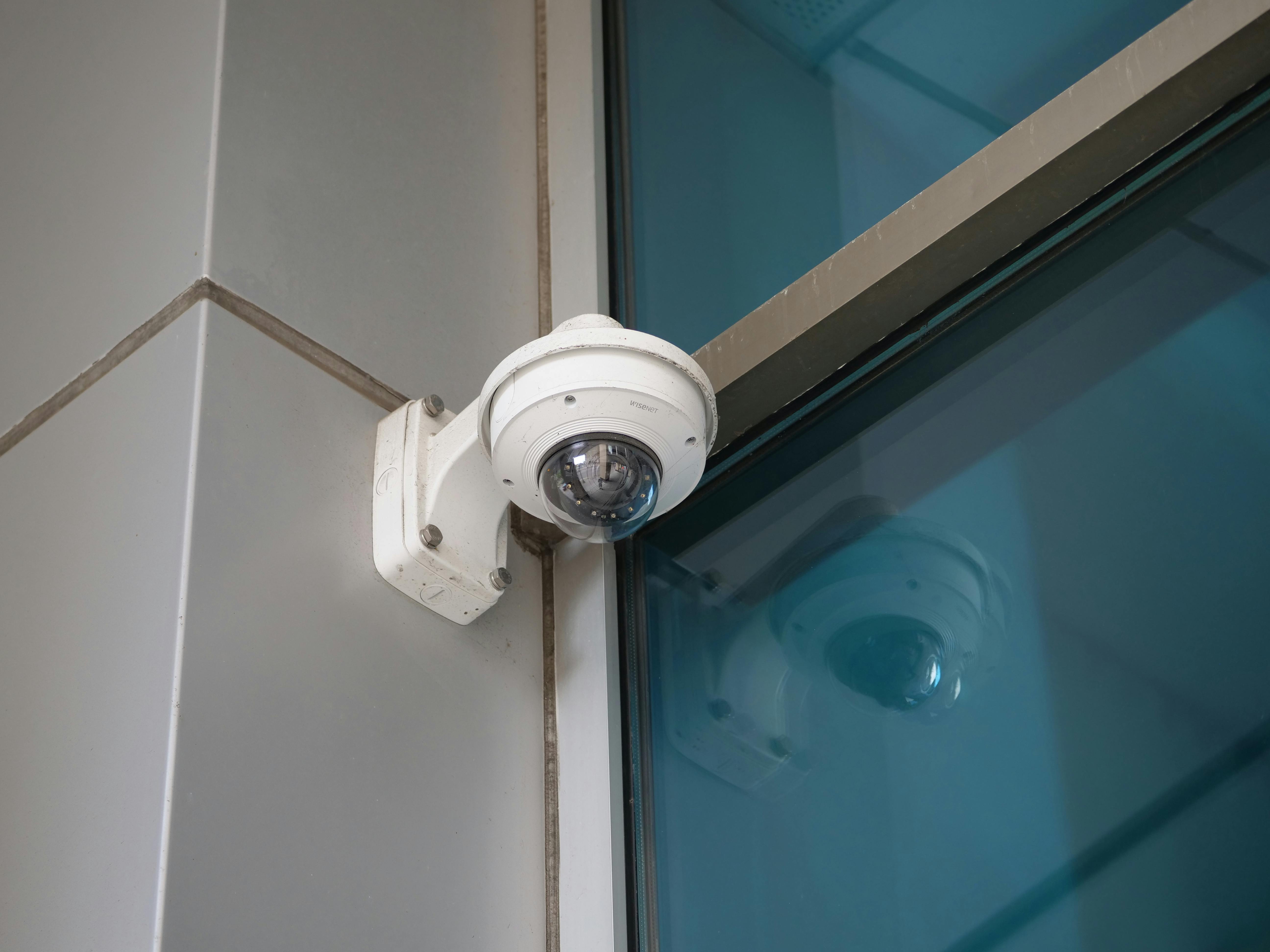
FIG. 2 — NODE HOUSING UNIT
System Overview

SEEAR is ClarkCore's distributed environmental perception network. Sensor nodes are embedded within public and semi-public infrastructure, operating continuously across acoustic, thermal, optical, and behavioral spectra.

Data collected by SEEAR feeds directly into CivicMind's synchronization models and into several additional downstream systems not listed in this document. Cross-platform integration is managed through ClarkCore's central continuity infrastructure.

The system does not require maintenance cycles. Nodes are designed for indefinite passive operation. Field personnel have not been required to access any node in the current operational period.

■ Restriction Notice

Node location data is not available through standard access channels. Requests for spatial deployment records will be reviewed individually. Approval is not guaranteed and is subject to continuity review.

Perception Capabilities
Acoustic RangeSubsonic through ultrasonic — full spectrum passive capture
OpticalVisible light, near-infrared, low-light adaptation
BehavioralPattern recognition, anomaly flagging, crowd dynamic modeling
Data TransmissionContinuous — encrypted, low-bandwidth, passive uplink
Node FootprintMinimal — integration with existing infrastructure preferred
DowntimeNot recorded in current operational period
Performance Metrics — Current Cycle

99.98%

Node uptime across all active environments

0.3s

Average anomaly detection latency

Node count (not for public distribution)